
This Is Not a Contest
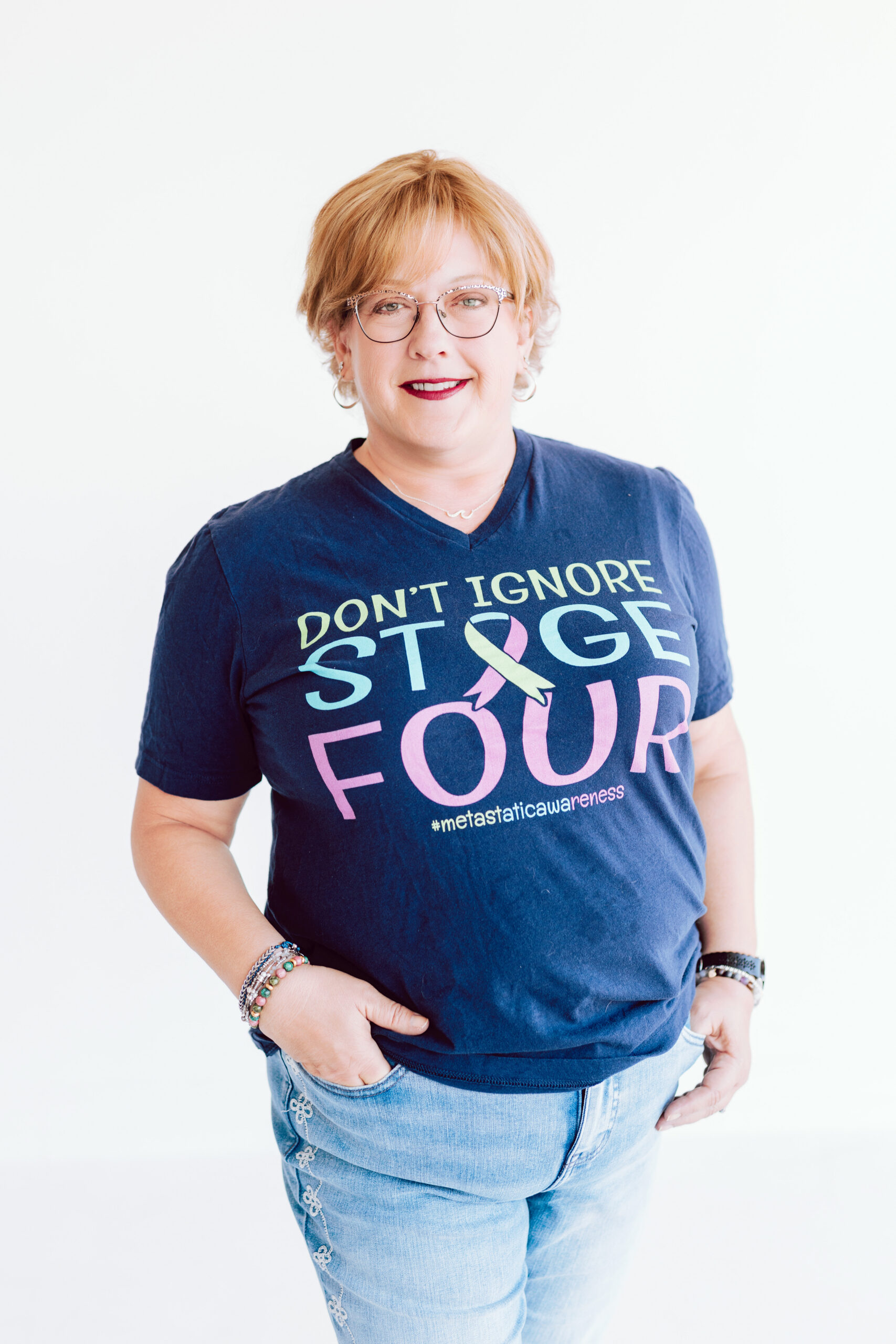
One thing that really has affected me is how early-stage cancer patients and survivors try to diminish their own cancer compared to mine. To be honest, I was rather exclusive in seeking out support for metastatic cancer at first, too. After all, Stage 4 is as bad as it gets. How could someone who has survived earlier-stage cancer possibly understand what it feels like to live with a life sentence of cancer?
Eventually, I realized that just because I am Stage 4, it should not mean that early-stage cancer is somehow “less than.” Having cancer is not some kind of contest to see who wins at being the worst off. As competitive as I am, I do NOT want to win any contests of this magnitude!
Cancer Is Forever
Every cancer survivor has gone through life-altering changes, whether it’s visible or not. Breast cancer patients at earlier stages (0-3) have likely undergone multiple surgeries and radiation in addition to chemotherapy. Those treatments leave permanent scars and take away body parts.
That just scratches the surface of the lasting changes, though. Early-stage cancer survivors are often living with internal changes as well. Neuropathy, radiation burns, brain fog, appetite changes, etc., can last for years after active treatment is completed. We can’t even begin to touch on the financial toll that treatment causes.
Then there’s the emotional and mental scarring—what if the cancer comes back? Why can’t I regain the energy that I used to have? Why won’t my hair grow back? Will I ever feel normal again? Why has my skin changed? And on and on it goes.
Those are very real symptoms and concerns that every single cancer survivor struggles with at some point. Yet the world sees them as “cured” and quits cheering for them once treatment is done. The survivors are left trying to appear grateful that they have “beaten cancer.” They often don’t know where to go for ongoing support to navigate the emotional and mental scars that will never go away.
There Is Help!
The good news is that there are organizations and professionals to help cancer survivors adjust to their new normal. Organizations like Living Beyond Breast Cancer and the American Cancer Society are just two of the national organizations that offer myriad services. Local cancer facilities also offer ongoing support groups and resources for their patients long after active treatment ends.
So yes, I am in active treatment for the rest of my life and will never hear the word “cure.” That doesn’t mean that early-stage survivors are less important than I am! I hope my message reaches every cancer survivor—YOU MATTER. Your body and your life have been permanently changed. You need validation and support, too.
Weekly Challenge
This week, my challenge will be more specific. Who do you know who has survived cancer and is finished with active treatment? Do you still check in with them to see how they are really doing? Have you asked how they are healing? Do you offer unconditional support? Please don’t tell them, “You’ll be fine. You just finished treatment.” They may never be fine again, at least not compared to their pre-cancer selves. Take a minute to call or text that friend or family member and tell them it’s OK to not be OK. Let them know you love them and are there for them now, too.
And by doing that, you can go forth … Be exceptional!
Share & follow
Facebook (1) Facebook
LinkedIN Feed | LinkedIn
Instagram: @debgoforth70
For any inquiries, please contact:
Email [email protected]



Thanks for waking me up. Eventhough my heart leaped for joy with each word of healing, I’d forgotten of the lifetime struggle. SO SORRY, I’LL TRY HARDER. Just waiting for GOD’S MIRACLE; TAKING SMALLER STEPS THAN I WAS ANTICIPATING